





Months of research can suddenly feel stressful during a thesis presentation. That pressure explains why common dissertation defense mistakes affect even highly capable students. During academic presentations and mock defenses, the same problems repeatedly appear. Poor preparation, weak communication, and presentation anxiety often damage performance more than the actual research quality itself.
Many students assume dissertation committees only judge technical knowledge. In reality, professors also evaluate confidence, clarity, critical thinking, and professionalism. A strong dissertation defense is not about sounding perfect. It is about presenting your research clearly while handling feedback calmly and intelligently.
Why Dissertation Defenses Go Wrong At Times?
Dissertation defenses become difficult when students focus only on finishing the paper and ignore presentation preparation. Even brilliant research can appear weak if communication breaks down during the defense.
Most dissertation defense mistakes develop gradually during preparation. Students spend weeks editing citations and formatting chapters but barely practice speaking aloud. Others memorize scripts instead of learning how to discuss their research naturally. This creates panic during unexpected committee questions.
Common Dissertation Defense Mistakes Students Make
Many students unknowingly repeat the same presentation and communication errors during their dissertation defense. Recognizing these early can significantly improve performance and reduce stress.
Reading Slides Word For Word
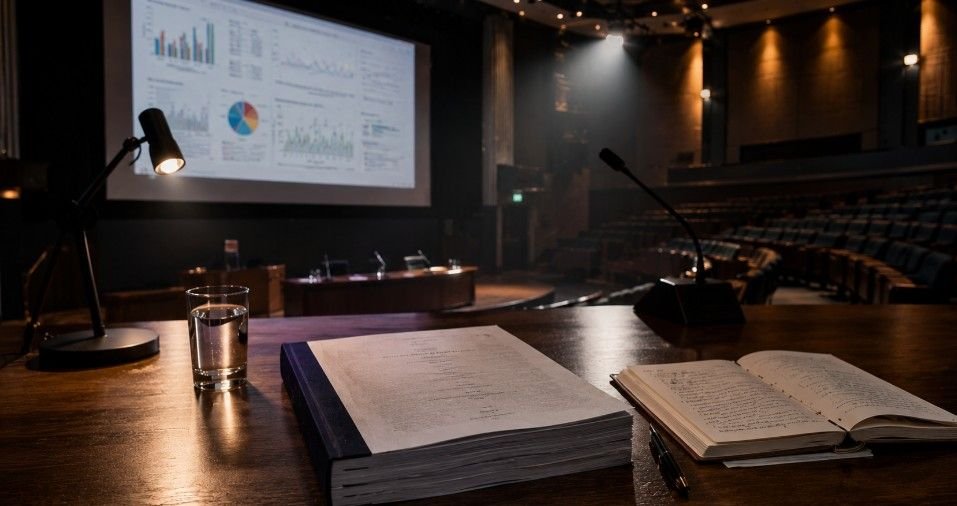
One of the most common dissertation defense mistakes is reading directly from slides. This instantly weakens audience engagement because the presentation starts feeling robotic and rehearsed.
Your committee can already read the content themselves. They want to hear your interpretation, thought process, and research story. Slides should support your explanation instead of replacing it completely.
Students who speak naturally while maintaining eye contact usually appear more confident and knowledgeable during the defense process.
Ignoring Research Limitations
Some students avoid discussing weaknesses because they think limitations reduce dissertation quality. Unfortunately, avoiding limitations often makes the research appear less credible.
Every study has boundaries. Strong researchers acknowledge them openly while explaining how future research could improve the work. Honest reflection shows maturity, critical thinking, and academic awareness.
Committee members usually appreciate balanced evaluation more than unrealistic claims about perfect research outcomes.
Failing To Explain Research Contribution
Students sometimes spend too much time discussing background information and forget to clearly explain why their research matters.
Your dissertation contribution should remain visible throughout the presentation. Professors want to understand what new insight, solution, or perspective your work adds to the academic field.
Without clear contribution statements, even strong findings may appear disconnected or unimportant.
Presentation Pitfalls That Hurt Your Defense
Presentation quality strongly influences how your dissertation is perceived. Visual clutter, weak pacing, and poor structure can distract attention from valuable research findings in presentation.
Slide Overload
Cramming slides with long paragraphs, complicated charts, and unreadable figures is a major presentation mistake. Audiences lose focus quickly when slides become visually overwhelming.
Each slide should communicate one key point clearly. Clean visuals, concise text, and readable graphs improve understanding while making your delivery feel more professional.
Simple presentation design also reduces anxiety because students rely less on memorized wording.
Poor Time Management
Many dissertation defenses begin confidently but end in panic because students spend too much time on early sections. Literature review discussions often become unnecessarily long, leaving important findings rushed.
Your results, implications, and conclusions deserve the strongest focus. Practicing with a timer helps improve pacing and prevents last-minute rushing during critical sections.
Students who rehearse aloud multiple times usually maintain stronger control during the actual presentation.
Memorizing Every Line
Some students treat the defense like a scripted performance instead of an academic conversation. Memorized presentations often collapse when interruptions or unexpected questions appear.
Focus on understanding ideas instead of memorizing exact sentences. Natural delivery creates stronger engagement and allows smoother transitions during discussions with committee members.
Q&A Traps During The Defense
The discussion section often determines how successful a dissertation defense feels. Strong answers require calm thinking, structured communication, and professional attitude.
Reacting Defensively
Committee feedback can feel personal after years of research effort. Still, treating questions like attacks creates tension immediately and damages professionalism.
Academic thesis writing discussions involve critique, debate, and analysis. Professors usually challenge ideas to evaluate reasoning skills, not to embarrass students personally.
Responding respectfully and thoughtfully creates a much stronger impression than becoming argumentative or emotional.
Bluffing Answers
Another dangerous dissertation defense mistake is pretending to know something when unsure. Examiners usually recognize bluffing quickly, especially during technical discussions.
It is perfectly acceptable to admit uncertainty and explain how you would investigate the issue further. Honest responses often demonstrate stronger academic integrity than fabricated answers.
Thoughtful honesty builds more credibility than guessing randomly under pressure.
Rambling During Responses
Nervous students frequently give long, disorganized answers that drift away from the original question. Rambling confuses listeners and weakens confidence.
A better strategy is answering in three simple parts. Start with the main point, briefly support it with evidence, and stop once the question is addressed clearly.
Concise answers sound more confident and professional during dissertation defenses.
Preparation Errors Students Ignore
Preparation mistakes often create avoidable stress during the final defense. Strong preparation involves more than reviewing slides repeatedly the night before.
Skipping Mock Defenses
Many students underestimate the importance of practicing in realistic conditions. Silent preparation does not reveal pacing issues, weak explanations, or nervous habits.
Mock defenses help identify confusing sections and improve confidence and performance before the real presentation. Practicing with classmates or mentors also prepares students for difficult examiner questions.
Speaking aloud repeatedly strengthens delivery and reduces anxiety significantly.
Failing To Know The Panel
Students sometimes prepare generic answers without researching committee members and their academic interests. This creates missed opportunities during discussion.
Understanding your panel helps predict likely questions and research concerns. Professors often focus on topics connected to their own expertise or theoretical perspectives.
Familiarity with committee expectations improves preparation quality and discussion confidence.
Ignoring Technical Preparation
Technology problems remain surprisingly common during dissertation defenses. Students often forget adapters, presentation backups, or internet limitations.
Always save files in multiple locations and test equipment before the presentation begins. Arriving early helps reduce panic while creating a calmer mindset before speaking.
Smart Ways To Avoid Dissertation Defense Mistakes
Avoiding common dissertation defense mistakes requires preparation, strategy, and communication awareness. Small adjustments can dramatically improve presentation performance.
Practice Like It Is Real
The best preparation method is simulating actual defense conditions. Practice standing, presenting aloud, and answering interruptions naturally.
Repeated rehearsal improves pacing, confidence, and clarity. Students who practice realistically usually handle stress more effectively during the final defense.
Focus On Research Storytelling
Strong presentations feel like clear research journeys rather than disconnected data summaries. Explain the problem, process, findings, and significance in a logical flow.
Storytelling makes complex research easier to understand while helping committee members stay engaged throughout the presentation.
Stay Calm During Pressure
Nervousness is completely normal during dissertation defenses. Taking short pauses before answering difficult questions improves clarity and prevents rushed responses.
Calm communication signals confidence even when students feel anxious internally. Composure often matters more than perfect wording.
Frequently Asked Questions
1. What are common PhD defense mistakes?
Common PhD defense mistakes include reading slides, defensive communication, poor time management, bluffing answers, weak preparation, and ignoring research limitations.
2. What are common dissertation mistakes?
Common dissertation mistakes include unclear arguments, inconsistent citations, weak methodology, poor structure, unsupported claims, and limited critical analysis.
3. What percentage of thesis defenses fail?
Complete thesis defense failure is uncommon because supervisors usually approve defenses only after students meet academic standards and preparation expectations.
4. Is 75% good for a dissertation?
Yes, 75% is generally considered a strong dissertation grade and may qualify for distinction or merit depending on university grading criteria.
Finish Strong And Avoid Common Dissertation Defense Mistakes
Common dissertation defense mistakes usually happen because students focus only on research writing and ignore communication skills, presentation structure, and realistic practice. Strong preparation, calm responses, and clear explanations can transform a stressful defense into a confident academic discussion that leaves a lasting positive impression.