



The internet has made research easier than ever. You can pull journal papers, opinion pieces, statistics, reports, and expert commentary within minutes. But that convenience creates a different problem. Many students and researchers accidentally absorb wording from online sources without realizing it. By the time the draft is complete, parts of the paper no longer sound original.
A lot of plagiarism does not happen because someone intends to cheat. It usually starts during rushed research sessions. You copy a paragraph to “rewrite later,” forget where it came from, and suddenly that language slips into the final paper. I have seen this happen often with online articles, blogs, PDFs, and even YouTube transcripts. Avoiding plagiarism in research papers is less about fear and more about building smarter writing habits from the start.
Why Online Sources Increase The Risk Of Plagiarism
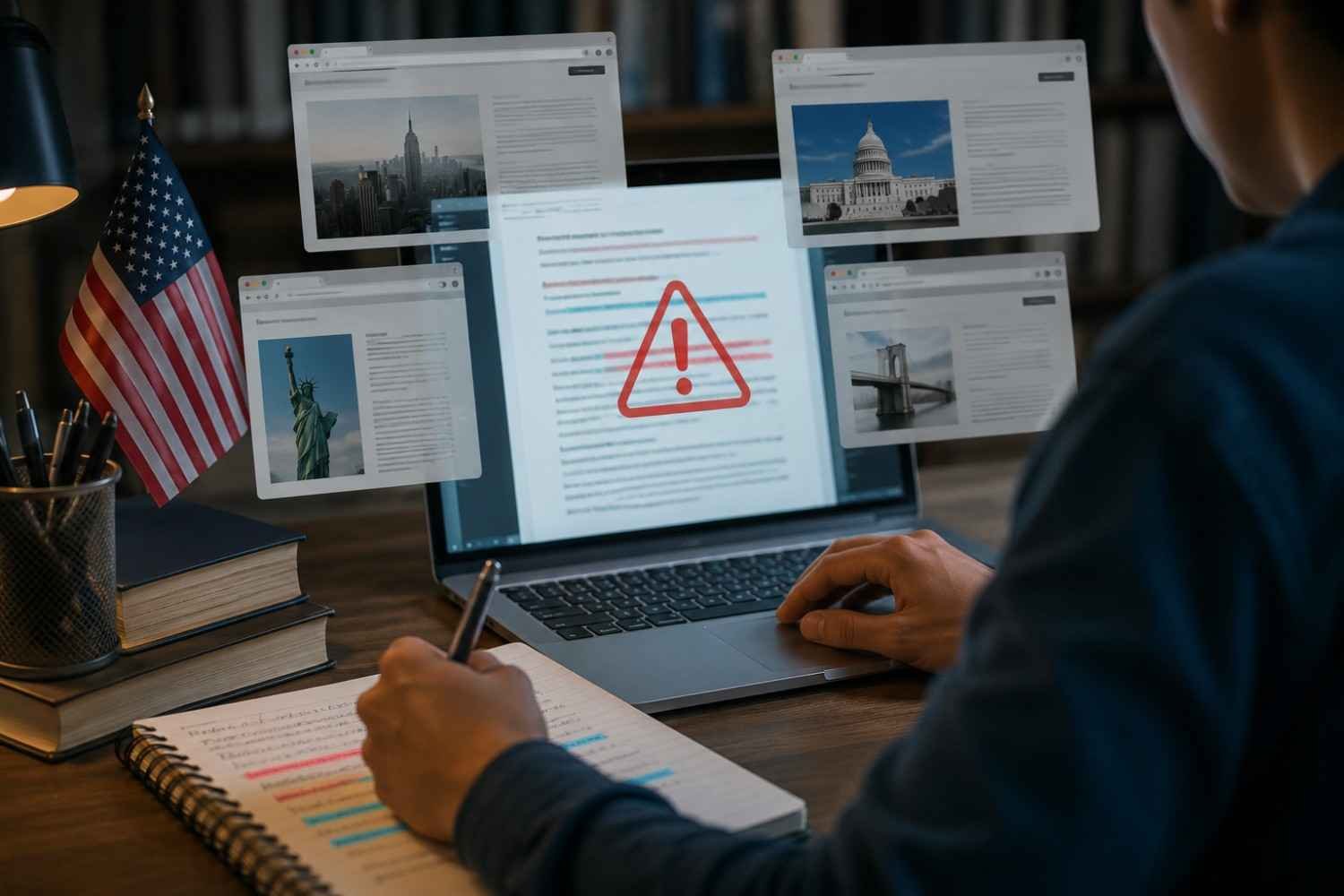
Easy Access Often Leads To Careless Copying
Online content is designed to be quickly consumed. Because of that, researchers often move too fast between tabs and documents. During long writing sessions, it becomes difficult to remember which ideas came from where.
This is especially common when:
- Researching from multiple browser tabs
- Using AI-generated summaries
- Copy-pasting statistics into notes
- Reading blogs alongside academic journals
- Working under deadline pressure
The problem becomes worse when notes are messy. Many accidental plagiarism cases start because direct quotes and personal thoughts are stored together without labels.
Patchwriting Happens More Than People Think
Patchwriting is when someone changes a few words from the original source while keeping the same sentence structure. Many plagiarism detection systems still flag this because the writing pattern remains too close to the source.
A common mistake is replacing words with synonyms while leaving the flow untouched. Real paraphrasing requires understanding the idea first and then explaining it naturally in your own voice.
Start Tracking Sources Immediately
Save Research Details While Reading
One of the safest habits in academic writing is collecting citation information before you even begin drafting. Waiting until the end usually creates confusion.
For every online source, collect:
- Author name
- Publication or updated date
- Article or webpage title
- Website name
- Direct URL or DOI
If some information is missing, note that immediately rather than guessing later.
I usually recommend keeping a dedicated research document open during the writing process. It saves hours later and prevents citation mistakes that happen when trying to relocate sources after days of research.
Keep Notes Separate From Source Material
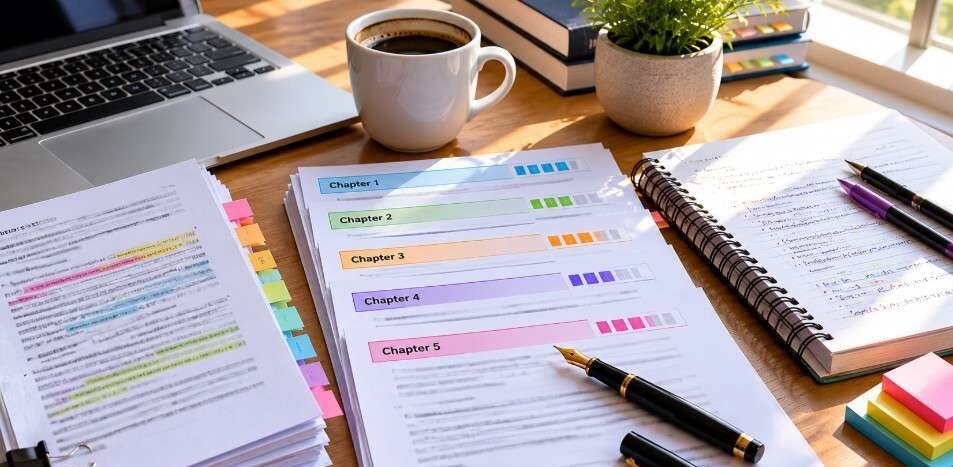
This small habit makes a major difference. Use different colors or labels for:
- Direct quotes
- Summarized ideas
- Personal analysis
- Statistics and data
Researchers who mix everything into one document often lose track of original wording. Once that happens, accidental copied content becomes difficult to spot.
Many students now rely on the best tools for academic research and writing to organize notes, citations, and references in one place. That workflow reduces confusion during longer research projects.
Learn Proper Paraphrasing Instead Of Word Swapping

Understand Before Rewriting
Strong paraphrasing starts with comprehension. Read the source fully, close the tab, and explain the idea as if you were describing it to someone else. That process naturally changes the structure and wording.
Bad paraphrasing usually looks like this:
- Swapping a few terms with synonyms
- Keeping the same sentence order
- Copying technical phrasing directly
- Retaining identical transitions
Good paraphrasing changes:
- Sentence structure
- Writing rhythm
- Word choice
- Explanation style
The meaning stays accurate, but the language becomes original.
Avoid Overusing Direct Quotes
Some writers rely too heavily on quotations because they fear paraphrasing incorrectly. But research papers overloaded with quotes often feel disconnected.
Use quotations only when:
- The wording itself is important
- A definition must remain exact
- An expert statement needs precision
- Historical language matters
Otherwise, paraphrase the material properly and cite the source.
Cite More Than Just Academic Journals
Online Sources Come In Many Forms
A surprising number of plagiarism issues happen because writers only think journals require citations. In reality, online information from many formats should be credited.
You should cite:
- Blogs
- News articles
- Videos
- Podcasts
- Government websites
- Research databases
- Social media posts
- Online reports
If the idea did not originate from you, acknowledge it.
When In Doubt, Cite It
Many researchers struggle with “common knowledge.” Some facts feel obvious, but they may still require attribution depending on the context.
A safer rule is simple: if you are uncertain whether something counts as common knowledge, cite the source.
That extra citation is far better than facing originality concerns later.
Use Technology As A Safety Net

Plagiarism Checkers Can Catch Small Mistakes
Even experienced writers miss similarities during editing. Plagiarism detection tools help identify passages that sound too close to existing content.
Popular tools researchers often use include:
- Turnitin
- Grammarly
- Quetext
- Scribbr plagiarism checker
These tools should not replace careful writing habits, but they can catch overlooked phrasing before submission.
AI Writing Needs Extra Attention
AI-generated content has created a new challenge in academic writing. Many AI tools produce generic phrasing that unintentionally resembles existing online material.
If you use AI during research:
- Verify every fact manually
- Rewrite the generated content completely
- Add your own interpretation
- Cross-check citations carefully
Submitting AI-generated text without proper review can create originality issues very quickly.
Build A Cleaner Research Workflow
Write While Researching
One habit that reduces plagiarism significantly is writing small sections while actively reviewing sources instead of collecting dozens of references first.
This approach helps because:
- Ideas stay fresh in memory
- Sources remain easy to track
- Citations happen naturally
- Copy-pasting decreases
Researchers who separate research and writing into completely different stages often lose context later.
Review Citations Before Submission
Before submitting your paper, perform one final citation check.
Look for:
- Missing quotation marks
- Uncited statistics
- Incomplete references
- Broken URLs
- Incorrect citation style formatting
- Passages that sound too similar to sources
This final review often catches issues that are invisible during earlier drafts.
FAQs: How To Avoid Plagiarism In Research Papers When Using Online Sources
1. How Can I Avoid Accidental Plagiarism In Research Papers?
The best way is to track sources carefully, separate notes from copied material, paraphrase properly, and cite every borrowed idea or quote.
2. Is Using Online Articles In Research Papers Acceptable?
Yes, as long as the sources are credible and properly cited. Many research papers use online journals, government reports, and expert publications.
3. What Is The Difference Between Quoting And Paraphrasing?
Quoting uses the exact original wording inside quotation marks. Paraphrasing explains the same idea in your own words and sentence structure.
4. Do Plagiarism Checkers Guarantee Originality?
No. Plagiarism tools help identify similarities, but they cannot replace proper citation habits and careful academic writing.
Final Thoughts
Learning how to avoid plagiarism in research papers when using online sources is really about slowing down your process and becoming more intentional with your writing habits. Most plagiarism problems begin long before the final draft. They start during research sessions when links are not saved, notes become messy, or copied wording stays inside a document for too long. Strong academic writing comes from understanding ideas deeply enough to explain them naturally in your own voice while still giving proper credit to the original source.
The good news is that plagiarism prevention becomes easier once you build a consistent workflow. Clean note-taking, proper citations, thoughtful paraphrasing, and final plagiarism checks can protect both your credibility and your research quality.